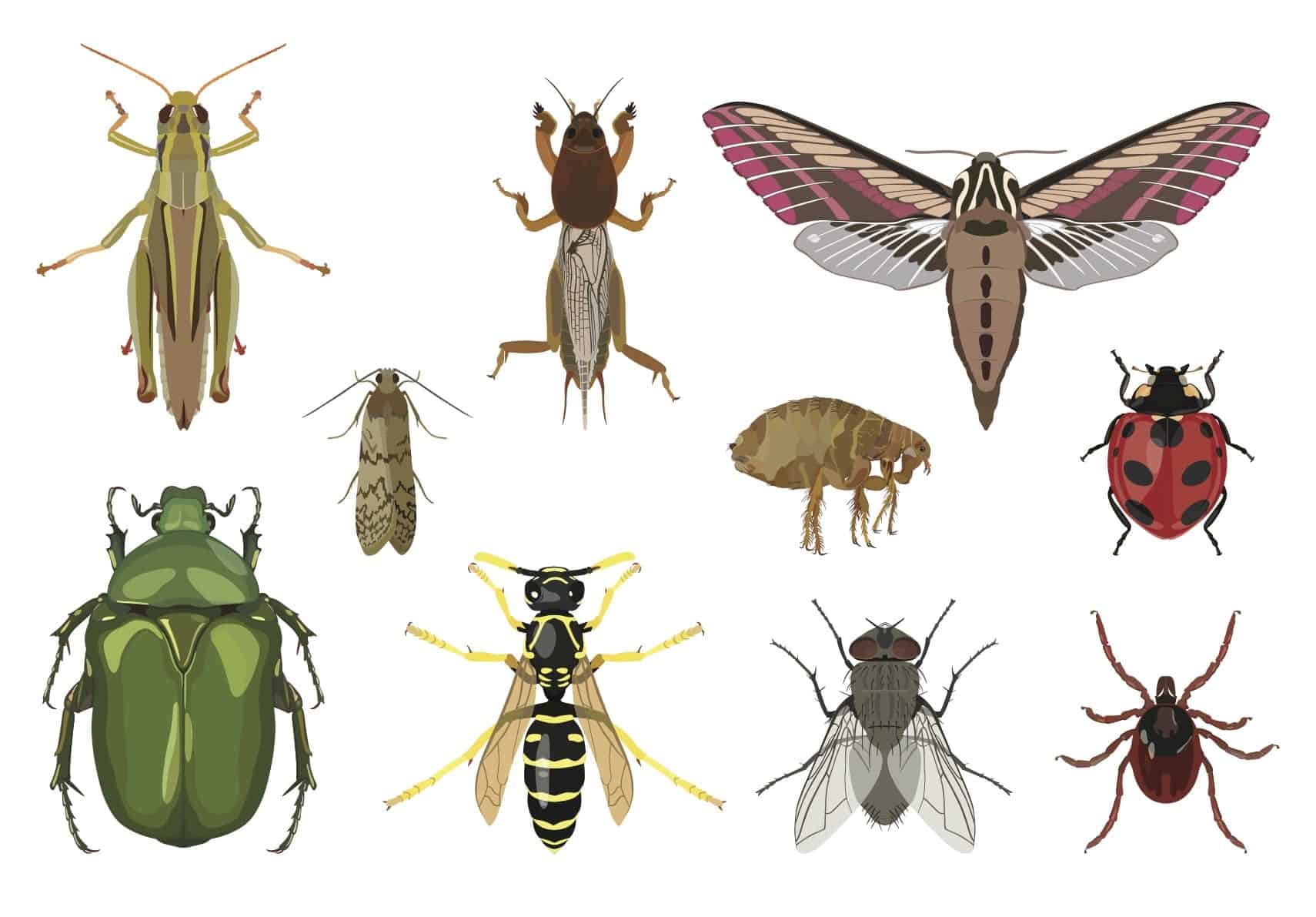
In the vast and fascinating world of arthropods, two groups often spark curiosity and debate: arachnids and insects. While both belong to the phylum Arthropoda, they have distinct characteristics that set them apart. Understanding the differences between an Arachnid vs Insect can provide insights into their unique roles in ecosystems and their interactions with humans.
What are Arachnids?
Arachnids are a class of arthropods that include spiders, scorpions, ticks, mites, and harvestmen. They are characterized by several key features:
- Eight Legs: Arachnids have eight legs, which is a defining feature of this class.
- Two Main Body Segments: Their body is divided into two main segments: the cephalothorax (a fusion of the head and thorax) and the abdomen.
- No Antennae or Wings: Unlike insects, arachnids do not have antennae or wings.
- Chelicerae: They possess chelicerae, which are appendages used for feeding and, in some cases, for defense.
Spiders, for example, use their chelicerae to inject venom into their prey, while ticks and mites use them to pierce the skin of their hosts and feed on blood.
What are Insects?
Insects are the largest class of arthropods, encompassing a wide variety of species such as beetles, butterflies, ants, and bees. Key characteristics of insects include:
- Six Legs: Insects have six legs, which is a fundamental difference from arachnids.
- Three Main Body Segments: Their body is divided into three segments: the head, thorax, and abdomen.
- Antennae: Insects have antennae, which are sensory organs used for detecting chemicals, touch, and sound.
- Wings: Many insects have wings, although some species are wingless.
Insects play crucial roles in ecosystems as pollinators, decomposers, and food sources for other animals. Their diversity and adaptability make them one of the most successful groups of organisms on Earth.
Key Differences Between Arachnids and Insects
Understanding the differences between arachnids and insects involves examining their physical characteristics, life cycles, and ecological roles. Here are some of the key distinctions:
| Characteristic | Arachnids | Insects |
|---|---|---|
| Number of Legs | Eight | Six |
| Body Segments | Two (cephalothorax and abdomen) | Three (head, thorax, and abdomen) |
| Antennae | Absent | Present |
| Wings | Absent | Present in many species |
| Chelicerae | Present | Absent |
These differences highlight the unique adaptations and evolutionary paths of arachnids and insects. For example, the presence of wings in many insects allows them to disperse over long distances, while the chelicerae of arachnids enable them to capture and subdue prey effectively.
Life Cycles and Reproduction
The life cycles of arachnids and insects also differ significantly. Arachnids typically undergo a process called simple metamorphosis, where the young hatch from eggs and resemble miniature adults. In contrast, insects can undergo either simple or complete metamorphosis.
- Simple Metamorphosis: Insects like grasshoppers and cockroaches undergo simple metamorphosis, where the young (nymphs) gradually develop into adults without a pupal stage.
- Complete Metamorphosis: Insects like butterflies and bees undergo complete metamorphosis, which includes four stages: egg, larva, pupa, and adult. The larva (caterpillar) transforms into a pupa before emerging as an adult.
Reproduction in arachnids and insects also varies. Many arachnids, such as spiders, produce eggs that are laid in sacs and guarded by the female. Insects, on the other hand, have a wide range of reproductive strategies, including oviparity (laying eggs), ovoviviparity (eggs hatch inside the female's body), and viviparity (live birth).
📝 Note: The reproductive strategies of insects are incredibly diverse, with some species exhibiting complex social structures and behaviors, such as eusociality in ants and bees.
Ecological Roles and Interactions
Arachnids and insects play vital roles in ecosystems, contributing to nutrient cycling, pollination, and pest control. Understanding their ecological roles can provide insights into the health and stability of natural environments.
Arachnids:
- Predators: Many arachnids, such as spiders and scorpions, are predators that help control populations of insects and other small animals.
- Parasites: Ticks and mites are parasitic arachnids that feed on the blood of vertebrates, including humans and animals.
- Decomposers: Some arachnids, like certain species of mites, play a role in decomposing organic matter, contributing to nutrient cycling.
Insects:
- Pollinators: Bees, butterflies, and other insects are essential pollinators that facilitate the reproduction of flowering plants.
- Decomposers: Insects like beetles and flies play a crucial role in breaking down dead organic matter, recycling nutrients back into the soil.
- Pest Control: Some insects, such as ladybugs and lacewings, are natural predators of pests, helping to control their populations.
The interactions between arachnids and insects are complex and multifaceted. For example, spiders often prey on insects, helping to regulate their populations. Conversely, some insects, like certain species of flies, parasitize spiders, laying their eggs on or inside the spider's body.
Impact on Human Health and Agriculture
Arachnids and insects have significant impacts on human health and agriculture, both positively and negatively. Understanding these impacts can help in developing strategies for pest management and disease control.
Arachnids:
- Disease Vectors: Ticks and mites can transmit diseases to humans and animals, such as Lyme disease and Rocky Mountain spotted fever.
- Pest Control: Spiders and other arachnids help control pest populations, reducing the need for chemical pesticides.
Insects:
- Disease Vectors: Mosquitoes, flies, and other insects can transmit diseases like malaria, dengue fever, and Zika virus.
- Crop Pests: Insects like aphids, beetles, and caterpillars can cause significant damage to crops, leading to economic losses for farmers.
- Pollinators: Bees and other pollinators are essential for agricultural productivity, facilitating the reproduction of many crop plants.
In summary, the Arachnid vs Insect debate highlights the unique characteristics and ecological roles of these two groups of arthropods. While they share some similarities, their differences in physical characteristics, life cycles, and ecological roles make them distinct and valuable components of natural ecosystems.
By understanding the differences between arachnids and insects, we can appreciate their contributions to biodiversity and develop strategies for managing their impacts on human health and agriculture. Whether they are predators, parasites, pollinators, or decomposers, arachnids and insects play crucial roles in maintaining the balance of ecosystems and supporting human activities.
In conclusion, the world of arachnids and insects is a fascinating and complex one, filled with diverse species and intricate interactions. By exploring the differences between these two groups, we gain a deeper understanding of the natural world and our place within it. Whether we are studying their ecological roles, managing their impacts on agriculture, or simply appreciating their beauty and diversity, arachnids and insects continue to captivate our curiosity and inspire our exploration of the natural world.
Related Terms:
- arachnid phylogeny
- differences between arachnids and insects
- arachnid meaning
- what makes an arachnid
- arachnid legs
- arachnid family tree