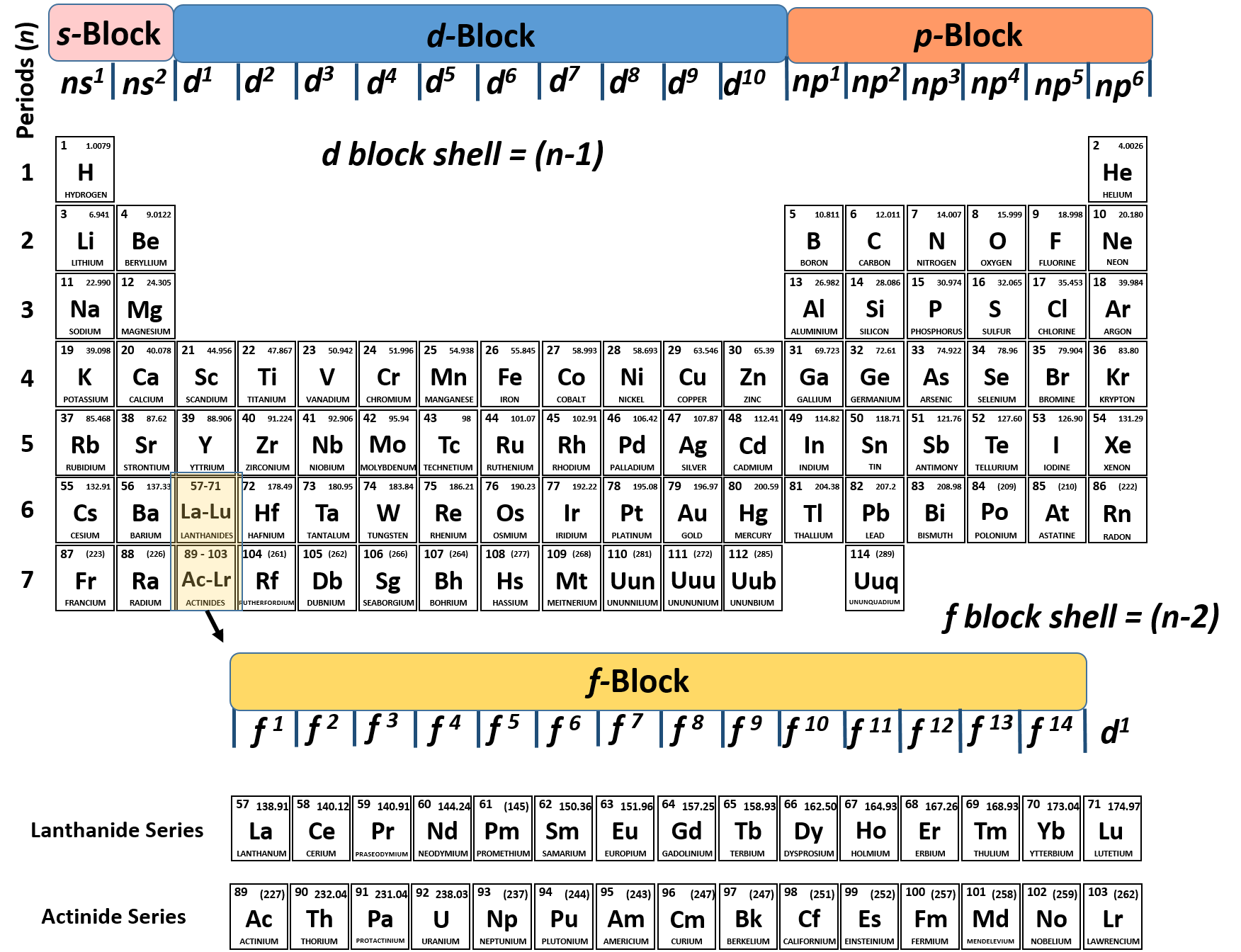
Understanding the electronic configuration of C is fundamental to grasping the behavior and properties of carbon, one of the most essential elements in chemistry. Carbon's unique electronic configuration allows it to form a vast array of compounds, making it the backbone of organic chemistry and a critical component in various materials and technologies.
What is Electronic Configuration?
Electronic configuration refers to the arrangement of electrons in the orbitals of an atom. This arrangement determines the chemical properties of an element, including its reactivity, bonding behavior, and stability. The electronic configuration is typically written using the notation that specifies the energy levels (n) and the type of orbital (s, p, d, f) followed by the number of electrons in that orbital.
The Electronic Configuration of Carbon
The atomic number of carbon is 6, which means it has 6 protons and 6 electrons. The electronic configuration of carbon can be determined by filling the electrons into the available orbitals according to the Aufbau principle, Pauli exclusion principle, and Hund’s rule.
The electronic configuration of carbon is:
1s2 2s2 2p2
Let's break this down:
- 1s2: The first energy level (n=1) has one s orbital, which can hold a maximum of 2 electrons.
- 2s2: The second energy level (n=2) has one s orbital, which also holds 2 electrons.
- 2p2: The second energy level (n=2) has three p orbitals, and in carbon, 2 of these orbitals are filled with one electron each.
Significance of Carbon's Electronic Configuration
The electronic configuration of carbon is crucial for understanding its chemical behavior. Carbon has four valence electrons (2s2 2p2), which means it can form four covalent bonds. This ability to form multiple bonds allows carbon to create a wide variety of molecules, from simple hydrocarbons to complex biomolecules like DNA and proteins.
Carbon's electronic configuration also explains its tendency to form stable compounds. The four valence electrons can be shared with other atoms to achieve a stable octet configuration, which is a key factor in the stability of carbon compounds.
Bonding in Carbon Compounds
Carbon’s ability to form single, double, and triple bonds is a direct result of its electronic configuration. This versatility in bonding allows carbon to form a vast array of organic compounds.
Here are some examples of bonding in carbon compounds:
- Single Bond (C-C): Each carbon atom shares one pair of electrons with another carbon atom, forming a single covalent bond. Example: Ethane (C2H6).
- Double Bond (C=C): Each carbon atom shares two pairs of electrons with another carbon atom, forming a double covalent bond. Example: Ethene (C2H4).
- Triple Bond (C≡C): Each carbon atom shares three pairs of electrons with another carbon atom, forming a triple covalent bond. Example: Ethyne (C2H2).
Carbon Allotropes
Carbon's electronic configuration also influences the formation of different allotropes, which are different structural forms of the same element. The most well-known allotropes of carbon are graphite, diamond, and fullerenes.
Here is a brief overview of these allotropes:
| Allotrope | Structure | Properties |
|---|---|---|
| Graphite | Layers of hexagonal rings of carbon atoms | Soft, conductive, used in pencils and as a lubricant |
| Diamond | Tetrahedral structure with each carbon atom bonded to four others | Hard, transparent, excellent thermal conductor, used in jewelry and industrial applications |
| Fullerenes | Spherical or ellipsoidal molecules composed of carbon atoms | Stable, used in nanotechnology and materials science |
Each of these allotropes has unique properties due to the different arrangements of carbon atoms, which are influenced by the electronic configuration of carbon.
Carbon in Organic Chemistry
Carbon’s electronic configuration makes it the foundation of organic chemistry. Organic compounds are characterized by the presence of carbon atoms bonded to other elements, primarily hydrogen, oxygen, nitrogen, and sulfur. The versatility of carbon’s bonding allows for the creation of an almost infinite number of organic compounds.
Some key points about carbon in organic chemistry include:
- Hydrocarbons: Compounds composed solely of carbon and hydrogen. Examples include methane (CH4), ethane (C2H6), and benzene (C6H6).
- Functional Groups: Specific groups of atoms within molecules that determine the chemical properties of the compound. Examples include hydroxyl groups (-OH) in alcohols, carbonyl groups (C=O) in ketones and aldehydes, and carboxyl groups (-COOH) in carboxylic acids.
- Isomerism: The phenomenon where different compounds have the same molecular formula but different structures. Carbon's ability to form multiple bonds and different spatial arrangements leads to a wide variety of isomers.
Carbon's electronic configuration allows it to form these diverse structures, making it a cornerstone of organic chemistry.
📝 Note: The study of carbon's electronic configuration and its implications in chemistry is vast and complex. This overview provides a foundational understanding, but there are many more nuances and details to explore.
Carbon's electronic configuration is not only crucial in chemistry but also has significant implications in biology, materials science, and technology. Understanding how carbon's electrons are arranged helps explain its role in living organisms, its use in advanced materials, and its applications in various technologies.
In biology, carbon is the basis for all known life forms. The electronic configuration of carbon allows it to form the complex molecules necessary for life, such as proteins, nucleic acids, and carbohydrates. These biomolecules are essential for the structure, function, and regulation of living organisms.
In materials science, carbon's electronic configuration enables the creation of materials with unique properties. For example, graphene, a single layer of carbon atoms arranged in a hexagonal lattice, has exceptional strength, conductivity, and flexibility. These properties make graphene a promising material for applications in electronics, energy storage, and composite materials.
In technology, carbon's electronic configuration is utilized in various ways. Carbon nanotubes, for instance, are cylindrical structures made of carbon atoms with remarkable strength and electrical properties. They are used in electronics, materials science, and even in medical applications. Additionally, carbon fibers, which are strong and lightweight, are used in aerospace, automotive, and sports equipment.
Carbon's electronic configuration also plays a role in environmental science. Understanding how carbon interacts with other elements and compounds is crucial for studying climate change, carbon cycling, and environmental pollution. Carbon dioxide (CO2), for example, is a greenhouse gas that contributes to global warming. Its molecular structure, influenced by carbon's electronic configuration, affects its behavior in the atmosphere and its impact on the environment.
In summary, the electronic configuration of carbon is a fundamental concept that underpins its chemical behavior, its role in organic chemistry, and its applications in various fields. By understanding how carbon’s electrons are arranged, we can gain insights into its properties, its interactions with other elements, and its significance in both natural and technological contexts. This knowledge is essential for advancing our understanding of chemistry, biology, materials science, and technology, and for developing new applications and innovations based on carbon’s unique properties.
Related Terms:
- electron configure chart
- electron configuration chart pdf
- how to find electron configuration
- full orbital diagram for c
- electron configurations chart
- electron shell configuration chart