Salt is a ubiquitous substance in our daily lives, used extensively in cooking, food preservation, and even in various industrial processes. However, the question "Is salt an element?" often arises, leading to a deeper exploration of its chemical composition and properties. This blog post aims to demystify the nature of salt, its components, and its significance in both everyday life and scientific contexts.
Understanding Salt: A Chemical Perspective
To address the question "Is salt an element?", it is essential to understand the fundamental differences between elements and compounds. An element is a pure substance that consists of atoms with the same number of protons. Examples include oxygen, hydrogen, and gold. On the other hand, a compound is a substance formed when two or more elements are chemically bonded together.
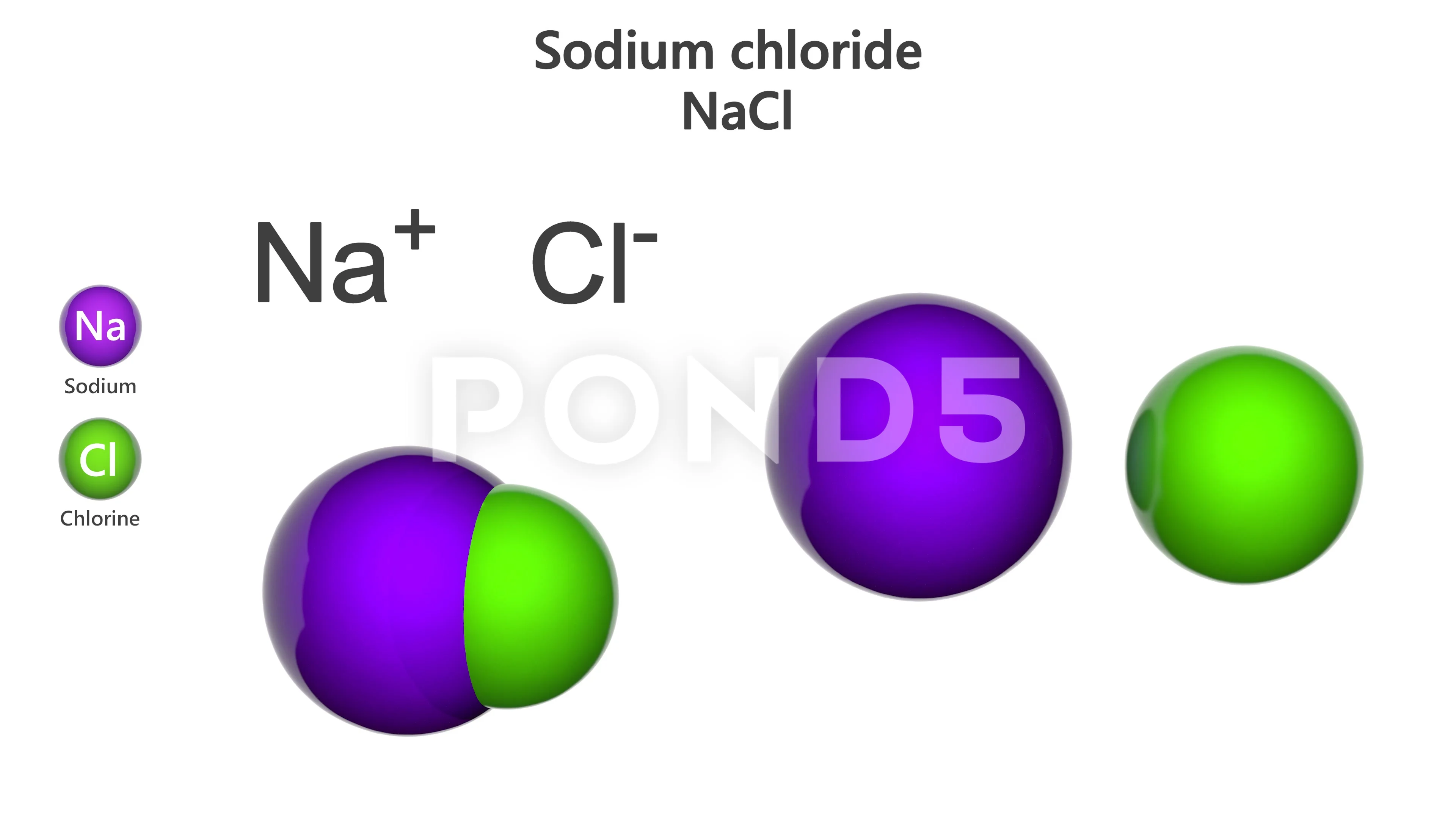
Salt, chemically known as sodium chloride (NaCl), is a compound. It is composed of two elements: sodium (Na) and chlorine (Cl). Sodium is a highly reactive metal, while chlorine is a toxic, greenish-yellow gas. When these two elements combine, they form a stable, crystalline substance that we commonly refer to as salt.
The Composition of Salt
Salt is primarily composed of sodium and chlorine atoms arranged in a crystalline lattice structure. This structure gives salt its characteristic properties, such as its solubility in water and its ability to conduct electricity when dissolved. The chemical formula NaCl indicates that each unit of salt contains one sodium atom and one chlorine atom.
Here is a breakdown of the components of salt:
| Element | Symbol | Properties |
|---|---|---|
| Sodium | Na | Highly reactive metal, soft and silvery-white in appearance |
| Chlorine | Cl | Toxic gas, greenish-yellow in color, strong oxidizing agent |
When sodium and chlorine combine, they form an ionic bond, where the sodium atom donates an electron to the chlorine atom. This results in the formation of positively charged sodium ions (Na+) and negatively charged chloride ions (Cl-). The strong electrostatic attraction between these ions holds the salt crystal together.
The Role of Salt in Everyday Life
Salt plays a crucial role in various aspects of our daily lives. Its primary use is in cooking and food preservation. Salt enhances the flavor of food and acts as a preservative by inhibiting the growth of bacteria. It is also used in the production of various chemicals, such as sodium hydroxide and hydrochloric acid, which are essential in industries like soap-making and textile manufacturing.
In addition to its culinary and industrial uses, salt has significant health implications. Sodium is an essential mineral for the human body, playing a vital role in maintaining fluid balance, nerve function, and muscle contraction. However, excessive consumption of salt can lead to health issues such as high blood pressure and cardiovascular diseases.
Salt in Scientific Research
Salt is not just a common household item; it also plays a significant role in scientific research. Its unique properties make it a valuable tool in various scientific experiments and applications. For instance, salt is used in the study of ionic compounds and crystal structures. Its solubility in water makes it an ideal substance for studying solutions and electrolytes.
In the field of chemistry, salt is often used as a reactant in chemical reactions. For example, it can be used to produce other salts through double displacement reactions. In biology, salt solutions are used to maintain the osmotic balance in cells and tissues, ensuring their proper functioning.
Salt is also used in environmental studies to understand the effects of salinity on ecosystems. High salinity levels can impact the growth and survival of plants and animals, making it an important factor in ecological research.
The Environmental Impact of Salt
While salt is essential for many processes, its environmental impact cannot be overlooked. Excessive use of salt, particularly in road de-icing, can lead to soil and water contamination. High levels of salt in soil can inhibit plant growth and affect agricultural productivity. In water bodies, increased salinity can disrupt aquatic ecosystems, harming fish and other aquatic life.
To mitigate these environmental impacts, it is crucial to use salt responsibly. This includes reducing its use in non-essential applications and exploring alternative de-icing methods. Additionally, proper disposal and management of salt waste can help minimize its environmental footprint.
🌱 Note: Always consider the environmental impact of salt use and opt for eco-friendly alternatives whenever possible.
Conclusion
In conclusion, the question “Is salt an element?” can be definitively answered with a no. Salt is a compound composed of sodium and chlorine, each with its unique properties. Understanding the composition and properties of salt is essential for appreciating its role in our daily lives, from cooking and food preservation to industrial applications and scientific research. While salt is indispensable, it is also important to use it responsibly to minimize its environmental impact. By doing so, we can continue to benefit from this versatile substance while ensuring the health of our planet.
Related Terms:
- characteristics of salt
- is salt element or compound
- what elements form salt
- elements that make up salt
- what substance is salt
- main ingredient in salt