Malignant hyperthermia (MH) is a rare but potentially life-threatening condition that can occur during or after general anesthesia. It is characterized by a rapid and dangerous increase in body temperature, along with other severe symptoms. Understanding the signs of malignant hyperthermia is crucial for healthcare professionals to ensure prompt and effective treatment. This blog post delves into the causes, symptoms, diagnosis, and management of malignant hyperthermia, providing a comprehensive guide for medical practitioners and anyone interested in this critical topic.
Understanding Malignant Hyperthermia
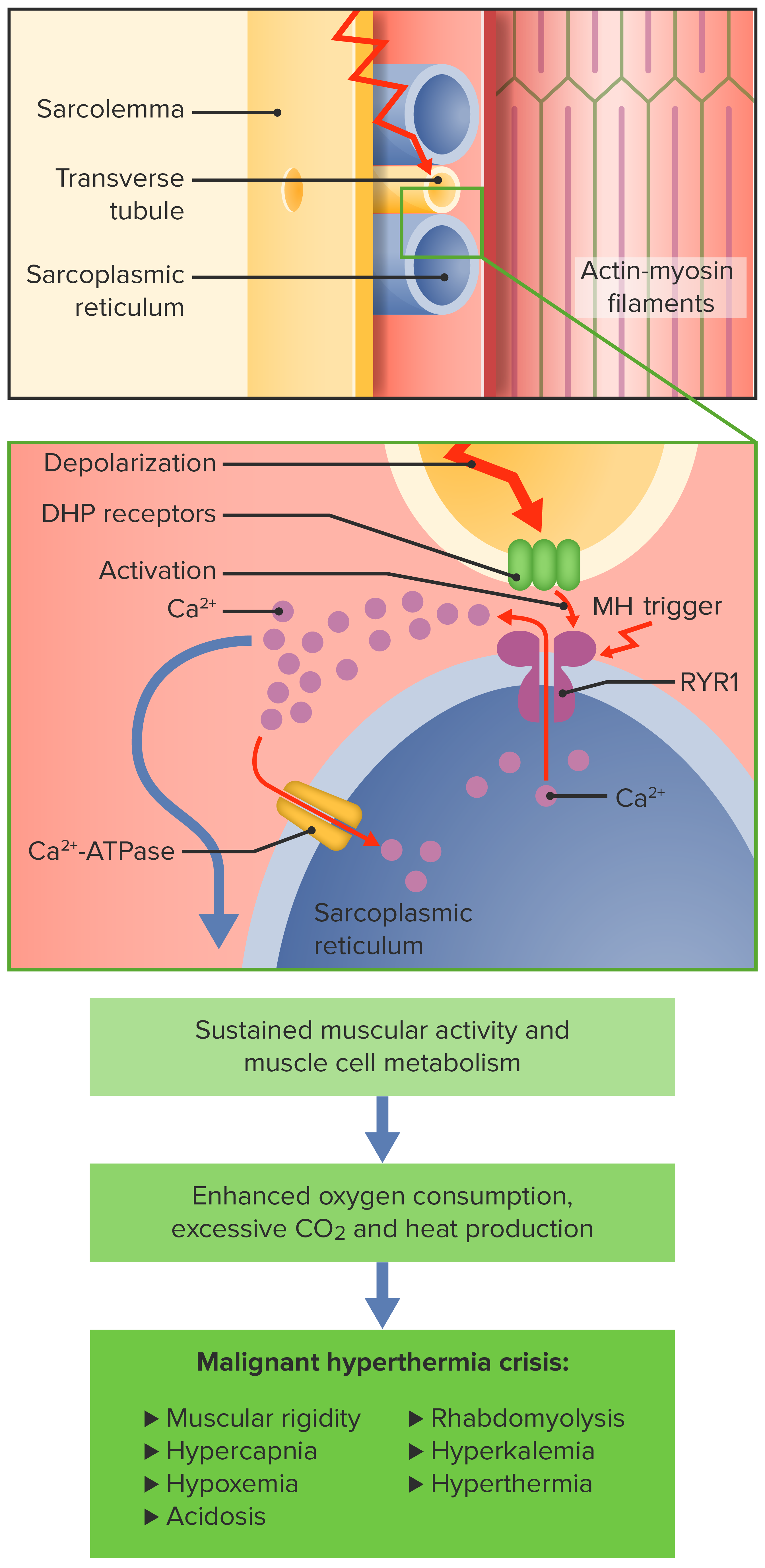
Malignant hyperthermia is a genetic disorder that affects the body's muscles, particularly the skeletal muscles. It is triggered by certain anesthetics and muscle relaxants used during surgery. The condition is caused by a mutation in the ryanodine receptor gene (RYR1), which regulates calcium release in muscle cells. When exposed to triggering agents, individuals with this genetic predisposition experience a rapid and uncontrolled release of calcium, leading to a cascade of events that can be fatal if not treated immediately.
Causes of Malignant Hyperthermia
Malignant hyperthermia is primarily caused by the administration of specific anesthetics and muscle relaxants. The most common triggering agents include:
- Volatile anesthetics such as halothane, isoflurane, sevoflurane, and desflurane.
- Succinylcholine, a depolarizing muscle relaxant.
These agents can trigger the condition in individuals who have a genetic predisposition to malignant hyperthermia. The genetic mutation affects the ryanodine receptor, leading to uncontrolled calcium release and subsequent muscle contractions.
Signs of Malignant Hyperthermia
Recognizing the signs of malignant hyperthermia is essential for early intervention and management. The symptoms can develop rapidly, often within minutes of exposure to the triggering agent. Key signs include:
- Rapid increase in body temperature (hyperthermia).
- Tachycardia (increased heart rate).
- Tachypnea (increased respiratory rate).
- Muscle rigidity, particularly in the jaw and extremities.
- Acidosis (a decrease in the pH of the blood).
- Hyperkalemia (elevated potassium levels in the blood).
- Myoglobinuria (presence of myoglobin in the urine).
These symptoms can progress quickly, leading to multi-organ failure and death if not treated promptly. Early recognition and intervention are crucial for a positive outcome.
Diagnosis of Malignant Hyperthermia
Diagnosing malignant hyperthermia involves a combination of clinical observation, laboratory tests, and genetic testing. The diagnosis is often made based on the presence of characteristic symptoms during or after anesthesia. Laboratory tests may include:
- Arterial blood gas analysis to detect acidosis.
- Serum electrolyte tests to measure potassium levels.
- Urinalysis to check for myoglobinuria.
- Creatine kinase (CK) levels to assess muscle damage.
Genetic testing can confirm the presence of the RYR1 mutation, which is associated with malignant hyperthermia. However, genetic testing is not always necessary for diagnosis, as the clinical presentation is often sufficient.
Management and Treatment
The management of malignant hyperthermia requires immediate and aggressive intervention. The primary goals are to stop the triggering agent, reduce body temperature, and stabilize the patient's condition. Key steps in management include:
- Discontinuation of the triggering agent.
- Administration of dantrolene, a muscle relaxant that inhibits calcium release.
- Hyperventilation with 100% oxygen to correct acidosis.
- Active cooling measures to reduce body temperature.
- Intravenous fluids to maintain hydration and support organ function.
- Monitoring and treatment of hyperkalemia.
Dantrolene is the cornerstone of treatment for malignant hyperthermia. It works by inhibiting the release of calcium from the sarcoplasmic reticulum, thereby reducing muscle contractions and preventing further complications. The typical dose is 2.5 mg/kg, repeated every 5-10 minutes until symptoms resolve.
Active cooling measures, such as ice packs, cooling blankets, and cold intravenous fluids, are essential to reduce the body temperature. Hyperventilation with 100% oxygen helps to correct acidosis and improve oxygenation. Intravenous fluids are administered to maintain hydration and support organ function, while hyperkalemia is managed with insulin, glucose, and calcium gluconate.
📌 Note: Early recognition and prompt treatment are critical for a positive outcome in malignant hyperthermia. Healthcare professionals should be trained to recognize the signs and initiate appropriate management immediately.
Prevention of Malignant Hyperthermia
Preventing malignant hyperthermia involves identifying individuals at risk and avoiding the use of triggering agents. A family history of malignant hyperthermia or a personal history of adverse reactions to anesthesia should raise suspicion. Genetic testing can confirm the presence of the RYR1 mutation, allowing for appropriate precautions during future surgeries.
For individuals known to be at risk, alternative anesthetics and muscle relaxants that do not trigger malignant hyperthermia should be used. Common safe alternatives include:
- Propofol for induction and maintenance of anesthesia.
- Non-depolarizing muscle relaxants such as rocuronium or vecuronium.
Preoperative screening and counseling are essential for individuals with a family history of malignant hyperthermia. Healthcare providers should be aware of the patient's risk status and have a plan in place for managing any potential complications.
Long-Term Management and Follow-Up
After an episode of malignant hyperthermia, long-term management and follow-up are crucial to prevent future complications. Patients should be advised to wear a medical alert bracelet indicating their susceptibility to malignant hyperthermia. This ensures that healthcare providers are aware of their condition and can take appropriate precautions during future surgeries.
Regular follow-up with a healthcare provider is essential to monitor for any long-term effects of the condition. This may include:
- Routine check-ups to assess muscle function and overall health.
- Genetic counseling for family members to identify other individuals at risk.
- Education on the signs and symptoms of malignant hyperthermia and the importance of avoiding triggering agents.
Patients should also be encouraged to maintain a healthy lifestyle, including regular exercise and a balanced diet, to support overall muscle health and function.
📌 Note: Long-term management and follow-up are essential for individuals who have experienced malignant hyperthermia. Regular check-ups and education can help prevent future complications and ensure a positive outcome.
Conclusion
Malignant hyperthermia is a rare but serious condition that can occur during or after general anesthesia. Recognizing the signs of malignant hyperthermia is crucial for early intervention and management. Understanding the causes, symptoms, diagnosis, and treatment of this condition is essential for healthcare professionals to ensure prompt and effective care. Prevention strategies, including preoperative screening and the use of alternative anesthetics, can help reduce the risk of malignant hyperthermia in individuals at risk. Long-term management and follow-up are also important to monitor for any long-term effects and ensure a positive outcome. By being aware of the signs and taking appropriate precautions, healthcare providers can effectively manage malignant hyperthermia and improve patient outcomes.
Related Terms:
- signs symptoms malignant hyperthermia
- early signs of malignant hyperthermia
- malignant hyperthermia side effects
- late signs of malignant hyperthermia
- early indicator of malignant hyperthermia
- first symptoms of malignant hyperthermia